


















58% of Consumers Say They Don't Care Whether a Product is a National Brand or Private Label. They Just Buy What They Need
As fast-moving
consumer goods (FMCG) prices rose 26% globally between 2021 and 2025, consumers
have become more deliberate about where they save and where they spend.
NielsenIQ has released new findings showing that private label is no longer
viewed simply as a lower-cost substitute, but as a credible competitor across
value, mainstream, and premium segments.
The findings, published in NIQ’s
latest report, A Tale of Two Consumers: The Polarized Mindsets Reshaping
Global Consumption, created in collaboration with World Data Lab, show how
consumer polarization is redefining value and reshaping competition on the
shelf. The report also draws on insights from NIQ's 2025reportFinding Harmony on the Shelfwhich
documented changing perceptions of private label products.
Key findings from these reports
include:
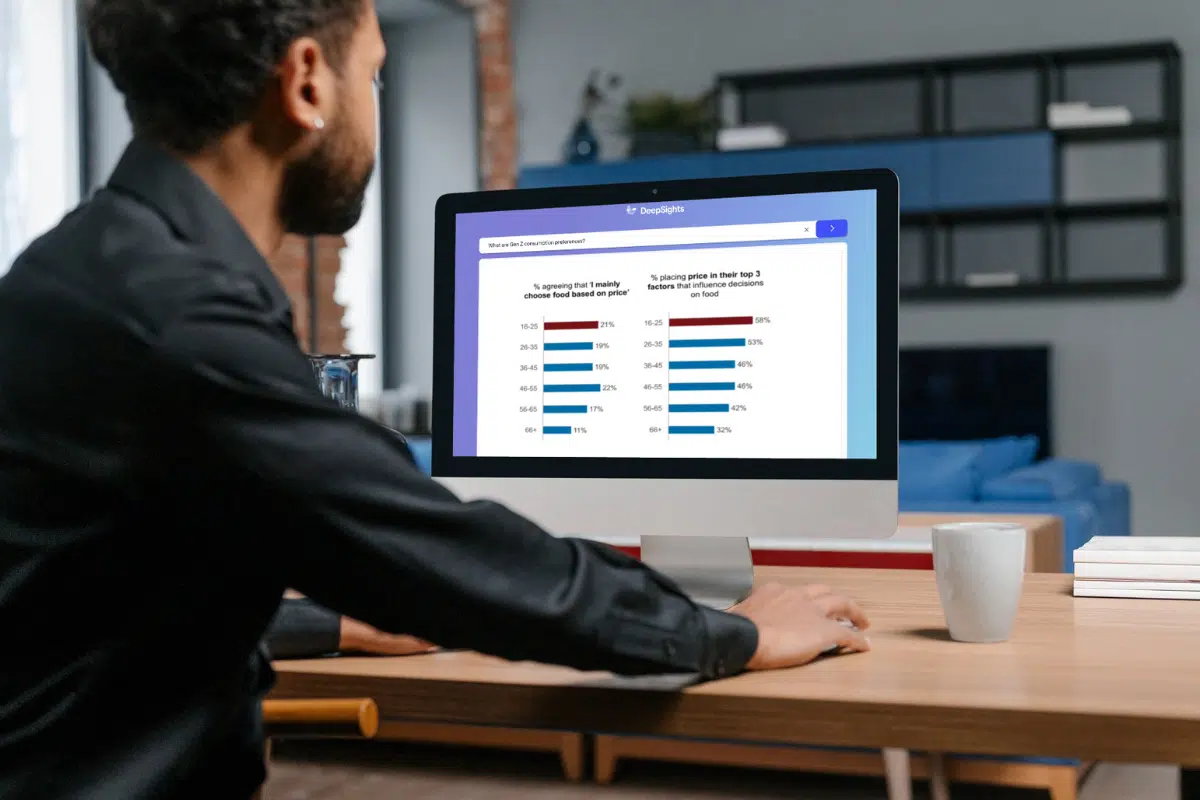
- 58%
of consumers say they don't care whether a product is a national brand or
private label—they simply buy what they need
- 67%
of Gen Z consumers believe private-label products are just as good as
national brands
- 68%
of consumers view private-label products as a good alternative to national
brands
- 69%
of consumers believe private-label products offer good value for money
- About
one-third of price-constrained consumers will switch to lower-priced
products or whichever brand is on promotion
For brands and retailers, the
shift is significant: shoppers are becoming less loyal to traditional labels
and more focused on which products best meet their needs, budget, and
expectations in the moment.
The rise of private label is no
longer just a trade-down story. Consumers increasingly view private label brands
as legitimate value alternatives, premium alternatives, and in many cases
equivalent substitutes for national brands.
“This is one of the most
significant shifts happening in consumer goods today,” said Ramon Melgarejo,
President of E-Commerce at NIQ. “Consumers are no longer evaluating products
primarily based on who makes them. They are evaluating whether a product
delivers the right mix of quality, value, convenience, and relevance. That has
created a much more democratic and competitive shelf than we've seen
historically.”
NIQ finds that today's consumers
move fluidly between "upgrade" and "price-constrained"
mindsets depending on the category, occasion, and perceived value equation.
That behavior is creating new opportunities for retailers to grow private label
offerings beyond traditional value tiers.
In some categories, private label
helps consumers stretch household budgets. In others, retailers are using
innovation, packaging, premium ingredients, and stronger product claims to
position private label as a desirable upgrade rather than simply a lower-cost
substitute. As a result, private label is increasingly competing across value,
mainstream, and premium segments alike
Leave A Comment