

























Keep your digital payments out of trouble
Paying online has become second nature.
Ordering food, booking tickets, or sending money is often just a tap away. But
as digital payments get easier, scams are quietly getting smarter too. With
artificial intelligence (AI) now in the mix, fraudsters are finding new ways to
look real, sound familiar and catch people off guard!
In line with the Reserve Bank of India's Digital Payments Awareness Week 2026, Visa is encouraging consumers to stay alert on how AI is
being used for online fraud, and how a few simple habits can help keep
everyday payments safe.
The RBI has consistently emphasised that while digital
payments are fast and convenient, users must remain cautious and informed. This
year's awareness campaign by RBI focuses on a simple message for consumers: "ThodaDhyanSe" while making digital payments.
Because the pause between should I or should I not, is the
line between safety and scam.
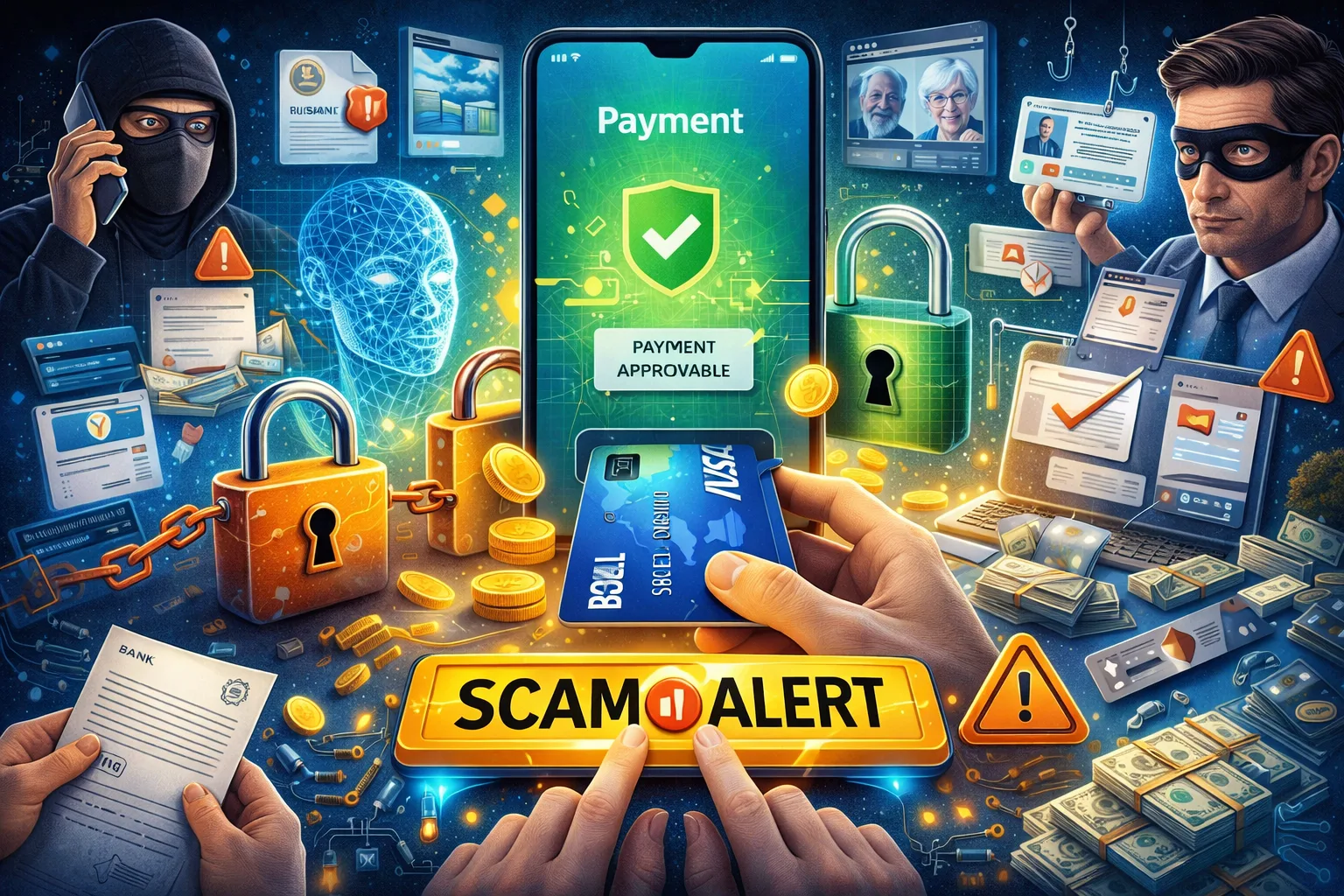
How Fraudsters Are Misusing AI: Five
Risks and Simple Steps to Stay Safe
1. Online stores that aren't real
Some scam websites now use AI generated images and descriptions to sell
products that do not exist. Everything looks legitimate until the payment is
made.
Stay safe: Shop on trusted platforms and use secure digital payment
options such as tokenized cards, which help keep your actual card details
private, reducing the risk of misuse if a site turns out to be fraudulent. Card
payments also offer an added layer of protection, as customers can raise
disputes and seek recovery through their bank if a transaction goes wrong.
2. Calls that feel urgent and personal
AI deepfakes can now mimic voices or simulate video calls that seem to
originate from relatives, friends, or authorities, pressurizing individuals to
transfer money swiftly.
Stay safe: Pause before acting. The RBI advises users not to act
under pressure or urgency. If a request feels unusual, verify it through
another trusted way before paying.
3. Documents that look official
Invoices, payment requests, or bank letters can now be created using AI tools
to appear authentic at first glance.
Stay safe: Do not rely only on documents received digitally. Always
confirm payment-related requests directly with your bank or the organisation involved using official contact details.
4. Identities that aren't fully real
Fraudsters use a mix of real and fake information to create convincing profiles
and impersonate organisations, making scams hard to detect. These deceptive
identities can appear as social media accounts, job applicants, businesses, or
officials.
Stay safe: Enable biometric and multi-factor authentication,
monitor accounts for suspicious activity and verify organisations through
official channels before sharing sensitive information. Be cautious with
unexpected offers or urgent requests - check with your bank or a trusted
authority before acting.
5. Emails that sound just right
AI-driven phishing emails now imitate authentic branding and tone, making scams
hard to spot - even from real email addresses when legitimate sites are
compromised. These often urge quick action or promise rewards to steal your
information.
Stay safe: Carefully check unexpected emails, confirm requests
using official contacts, and never click unknown links or download attachments
without verifying authenticity.
Awareness is a shared responsibility!
Behind the scenes, the digital payments ecosystem continues to strengthen
security by deploying tools like encryption and tokenization, which replaces
sensitive card details with secure digital tokens and acts as a security
shield, safeguarding your financial information each time you pay - whether it
is at a shop, online, or through a mobile app, amongst other initiatives and
solutions to safeguard users. These measures are constantly evolving to stay
ahead of emerging threats, ensuring that your transactions remain safe and
confidential.
However, technology alone is not enough. Individuals play a critical role in
maintaining their own security. So, always remain cautious, verify unexpected
requests or offers, and use official channels to confirm payment instructions
or account changes. If something feels suspicious, pause, question and verify.
In case you suspect fraud or encounter a scam, promptly report it to your bank
and utilize official platforms such as the national cybercrime helpline
(1930) or report at cybercrime.gov.in, as advised by authorities. Staying
informed and vigilant is key to protecting yourself and contributing to a safer
digital ecosystem for all.
(Courtesy: Visa India)
Leave A Comment