

















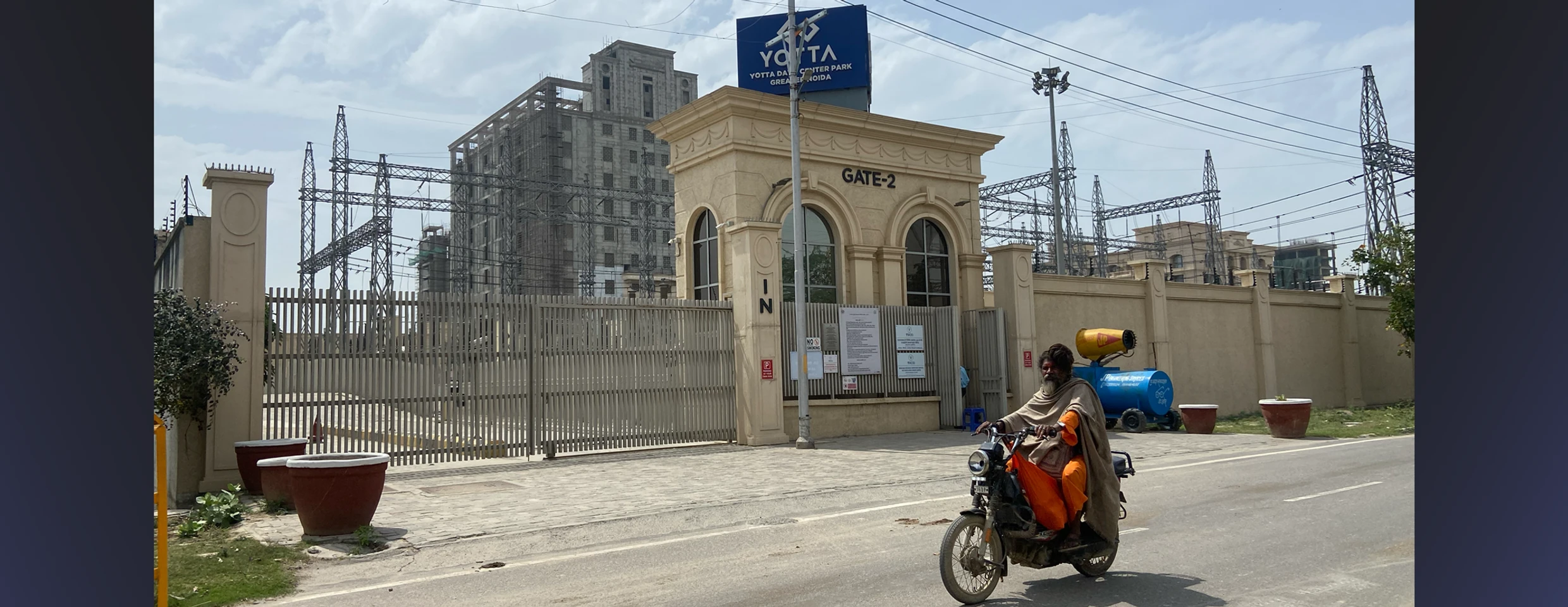


Data Center Logical Security Market to Reach $12.4 Billion by 2030
The data center logical security sector is gaining
significant traction as organizations increasingly prioritize protecting their
digital infrastructures from evolving cyber threats. This market is witnessing
rapid expansion driven by technological advancements and rising security
challenges. Let’s explore the current market size, key growth factors, regional
dynamics, and the trends shaping the future of this important industry.
Anticipated Market Size and Growth Trajectory of the Data
Center Logical Security Market
The data center logical security market has experienced swift
growth recently. It is projected to increase from $6.67 billion in 2025 to
$7.57 billion in 2026, reflecting a compound annual growth rate (CAGR) of
13.4%. This rise during the historical period is linked to accelerating data
center digitization, a surge in cyberattacks targeting enterprise systems, broader
adoption of identity and access management technologies, tightening regulatory
compliance obligations, and the ongoing shift toward virtualization and cloud
migration.
Future Growth Prospects for the Data Center Logical Security
Market
Looking ahead, the market is expected to continue growing
rapidly, reaching $12.40 billion by 2030 with a CAGR of 13.2%. This anticipated
expansion is driven by an industry-wide move toward hybrid and multi-cloud
environments, increased demand for automated threat detection systems, higher
investments in managed security services, widespread implementation of zero
trust security frameworks, and the growing importance of compliance-focused
security controls. Key trends influencing this phase include advances in
behavior-based threat detection, automated security orchestration innovations,
cloud-native data protection solutions, real-time analytics technology for data
centers, and improved identity verification and authentication methods.
Understanding Data Center Logical Security and Its Role
Data center logical security encompasses the digital
safeguards designed to protect sensitive data, systems, and network resources
within data centers from unauthorized access, tampering, or disruption. It
involves a combination of authentication, encryption, continuous monitoring,
and threat prevention techniques. The goal is to ensure that only authorized
users and processes can interact with critical digital assets while effectively
blocking any malicious activity.
Primary Factor Fueling Growth in the Global Data Center
Logical Security Market
The escalation of cyberattacks stands out as a key factor
propelling the data center logical security market forward. Cyberattacks are
intentional attempts by malicious actors to infiltrate, disrupt, or compromise
computer networks, systems, or data. The complexity and frequency of these
attacks have intensified due to the increasing reliance on digital solutions,
expanding the surface vulnerable to exploitation. Logical security tools
address these threats by employing strict access controls, authentication
protocols, and real-time monitoring to safeguard sensitive information. For
example, in July 2024, Check Point Software Technologies Ltd., a cybersecurity
company based in Israel, reported a 30% rise in weekly cyberattacks on
corporate networks during the second quarter of 2024 compared to the same
period in 2023, along with a 25% increase from the first quarter of 2024. This
surge in cyber threats is a major driver of demand for data center logical
security solutions.
Leading Geographical Markets in the Data Center Logical
Security Industry
In 2025, North America held the largest share of the global
data center logical security market. However, Asia-Pacific is forecasted to be
the fastest-growing region over the coming years. The market analysis covers key
regions including Asia-Pacific, South East Asia, Western Europe, Eastern
Europe, North America, South America, the Middle East, and Africa, providing a
comprehensive view of global market dynamics.
Leave A Comment